Kartika Month 2026: what Damodara Masa is — the great month of mercy, love and spiritual transformation
The month of Kartika (also known as Damodara Masa or Urja Vrata) holds a special, unique place in the Vedic tradition and culture. It is the most sacred and auspicious time of the year for anyone striving for spiritual growth and a change in their inner state. According to the Vedic lunar calendar — the Panchang — in 2026 the month of Kartika lasts from October 26 to November 23.
In the Vedic tradition, time is perceived not as an impersonal abstract interval, but as a living manifestation of the Supreme Lord. Special energies act in every period of the year, yet it is precisely in Kartika that the heavenly luminaries and the deep spiritual nature of time attune the human mind to harmony, purity and awareness.
1. The spiritual meaning and origin of Kartika month
The patronage of Srimati Radharani and the energy of "Urja"
One of the main names of the practice this month is Urja Vrata. The Sanskrit word "Urja" means spiritual energy, strength and enthusiasm. Urjeshvari is a name of Srimati Radharani, the original energy of love and mercy.
The month of Kartika is entirely dedicated to Her patronage. At this time the energy of mercy and compassion pours out especially generously, so even the most insignificant and modest spiritual efforts of a person are regarded as great and bring immeasurable blessings.
The multiplied fruits of practice
Classical Vedic treatises such as the Padma Purana and the Skanda Purana emphasize that any auspicious deeds, vows (vratas), chanting of the Holy Names, reading of sacred texts and charity performed in Kartika increase their positive effect many thousands of times compared to ordinary time.
"The Supreme Lord Sri Damodara is famous for His love for His devotees. The month of Damodara, which is very dear to Him, is just as merciful: even the most insignificant efforts in spiritual practice undertaken in this month are regarded as the greatest and bring enormous blessings" (Padma Purana / Bhakti-rasamrita-sindhu 1.2.221).
Key events and lilas of the month
Kartika is filled with connections to great historical and esoteric events:
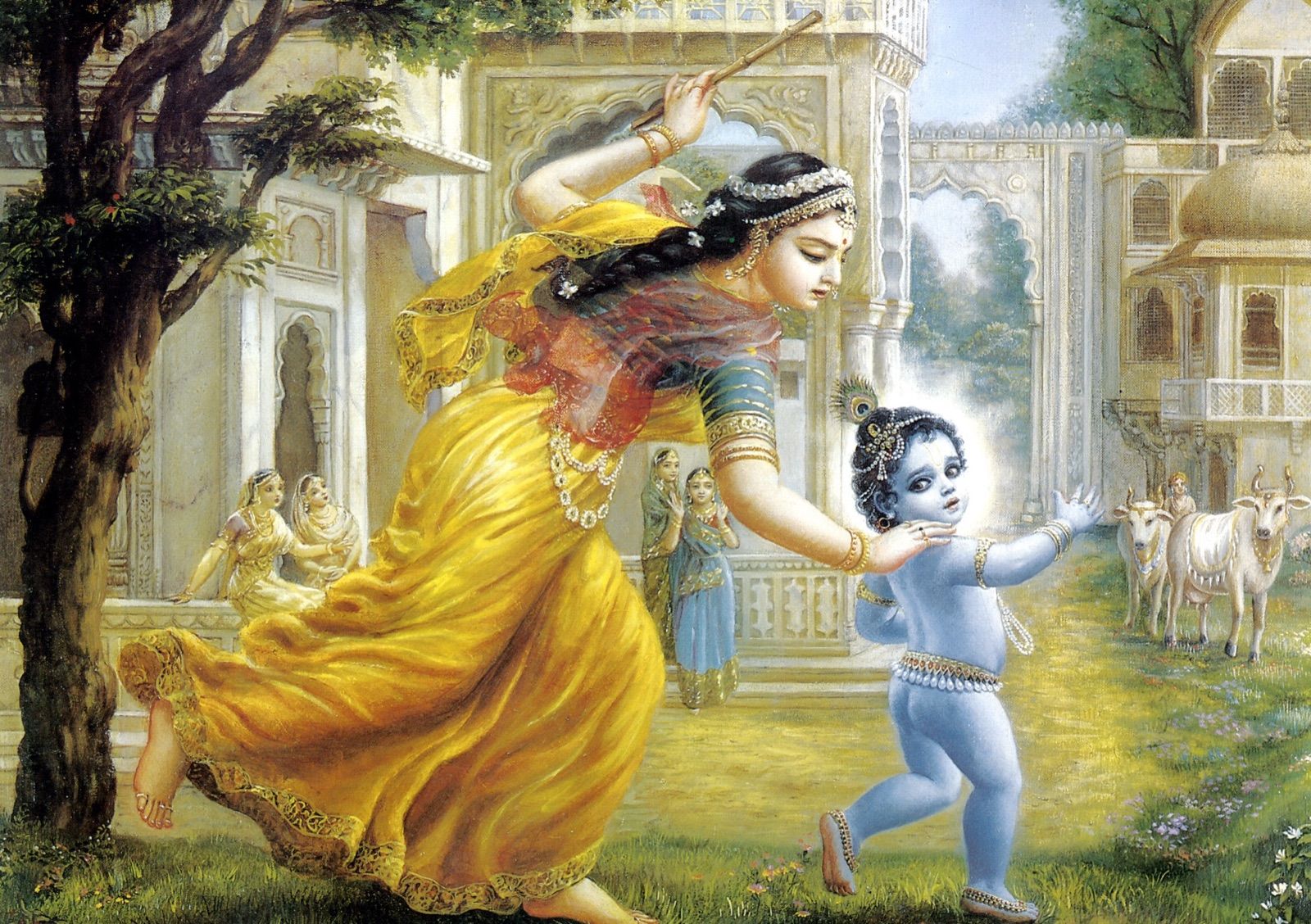
- Damodara lila: Little Krishna being bound by the ropes of love of His mother Yashoda (celebrated on Dipavali).
- Govardhana Puja: The lifting of Govardhan Hill to protect the residents of Vrindavan from the wrath of Indra.
- Gopashtami: The day Krishna first went out to herd the cows.
- The appearance of Dhanvantari: The appearance of the God of Ayurvedic medicine with a pot of amrita as a result of the churning of the Milk Ocean.
- The arrival of Sri Chaitanya Mahaprabhu in Vrindavan and His discovery of the sacred lakes Radha-kunda and Shyama-kunda (Bahulashtami).
2. The main principles of practice (Niyama Seva)
The practice during Kartika Vrata is called Niyama Seva — service through observing certain rules, regulative principles and vows. The sages divide all the rules of the month into two categories: indirect (austerities and restrictions) and direct (immediate spiritual practice).
Indirect causes (Austerities and restrictions)
The purpose of any austerity is not self-torment or care for the body, but a voluntary step out of the comfort zone for the pleasure of the Lord and to cleanse the consciousness of unnecessary noise:
- Rising early: Getting up before dawn (during brahma muhurta) and attending the morning prayers.
- Dietary restrictions: Traditionally, during this month people give up vegetable oil, eggplants, tomatoes, honey and heavy food (for example, urad dal). Whenever possible, preference is given to the simplest food.
- Digital hygiene and control of speech: Minimize time on the Internet, avoid gossip, criticism, lies and the expression of negative emotions (aparadha).
Direct causes (Spiritual immersion)
Direct actions bring the heart into a state of sincere love and devotion:
- Chanting the Holy Names (Japa): Increasing the number of rounds of meditation and striving for conscious, high-quality sounding of the mantra.
- Offering lamps (Dipa-dana): Every day, offering a small lamp with a wick before the Deity or the altar. The fire symbolizes purified consciousness, and the oil in the lamp is sneha (the oil of sincere love and tenderness).
- Singing the "Damodarashtaka": Daily chanting of the eight verses of Satyavrata Muni's prayer while meditating on their deep esoteric meaning.
- Reading the scriptures: Studying the Tenth Canto of the Srimad-Bhagavatam, the prayers of King Gajendra (Eighth Canto of the Srimad-Bhagavatam) and the books of the acharyas.
3. The secret of Damodara lila: How love binds the Supreme
The central image of the month is Lord Damodara. The word "Dama" means rope, and "Udara" means tummy. In this month the Supreme, whom the greatest philosophers and yogis cannot comprehend, allows Himself to be bound by the simple rope of a mother's love.
The lesson of Damodara lila is that no analytical research, rigorous accumulation of knowledge or artificial practices can bring a person closer to the highest bliss the way simple, sincere and selfless devotion (bhakti) does. In the month of Kartika, the Lord Himself looks for a reason to respond to even the smallest display of sincerity.
4. How to observe Kartika month properly: Practical recommendations
- Take a reasonable vow (Vrata): The day before the month begins or in its first days, clearly formulate your vow before the altar. The vow should take you out of your comfort zone but remain achievable (for example: chanting an additional number of rounds, reading scripture for 15 minutes daily, not eating a particular food).
- Avoid a critical mood (Aparadha): The month of Kartika calls for special care in communication. It is important to consciously avoid finding faults in others and to learn to see the virtues and devotion in other people.
- Serving others: If health or circumstances make it difficult for you to observe strict physical austerities, Sanatana Goswami recommends focusing on serving devotees, showing kindness, caring for cows and selflessly helping others.
- Offering lamps: The daily evening ritual of offering a small flame (dipa-dana) brings peace and harmony into the home and purifies the subtle space.
Frequently asked questions (FAQ)
When does Kartika month begin and end in 2026?
In 2026 the month of Kartika lasts from October 26 to November 23. It is convenient to check the exact dates of festivals and Ekadashis within the month in the daily Panchang.
What should I do if I can't keep my vow every day?
The main thing in the practice of Kartika is the inner mood of sincerity and aspiration. If you break your vow, do not fall into despondency. Apologize in your mind, resume the practice and keep making the effort.
Why are certain foods (tomatoes, eggplants, vegetable oil) given up specifically this month?
Giving up certain foods in the tradition is connected with elements of traditional tapasya (austerity). It reminds the mind that a person acts not for the sake of their own sensual enjoyment, but as a gift for the spiritual energy of the Lord (Urja Devi).
Is it necessary to be in Vrindavan or a holy place during this month?
Being in sacred places (for example, in Vrindavan or Mathura) is incredibly auspicious, as their energy strengthens the practice. However, if there is no such opportunity, a person can turn their home into a holy place through regular reading, chanting and creating a pure atmosphere.
Conclusion
The month of Kartika is a rare gift of time. It gives everyone a chance to break free from the habitual cycle of the mind, cleanse the heart of accumulated grudges and worries, and take a confident step toward spiritual harmony. May every day of this sacred month become a small expression of your sincere kindness, gratitude and spiritual search.
Want to know the exact dates of the festivals and Ekadashis of Kartika month? Open the Panchang in our calendar — and you won't miss a single auspicious day of this sacred month!